No Products in the Cart


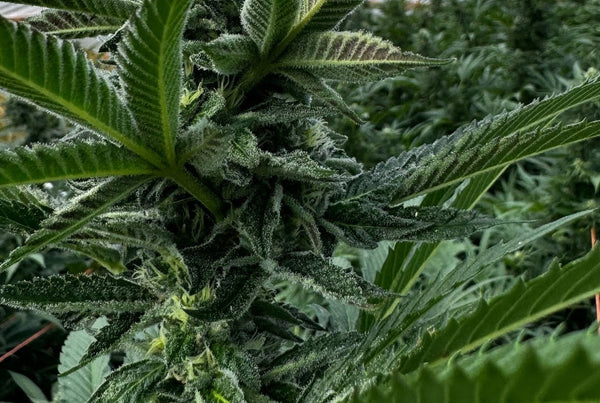
Missing the harvest signs can cost you everything you've worked for—potency, yield, and overall quality all hang in the balance of perfect timing. Many growers lose significant THCA content by harvesting too early or watching their cannabinoids degrade by waiting too long. The difference between exceptional THCA flower and mediocre results often comes down to reading the signs correctly.
Harvesting THCA flower isn't about picking a date on the calendar and hoping for the best. It's about understanding multiple biological indicators that work together to tell you when your cannabis has reached peak maturity. While your breeder's flowering time might say 9 weeks, your specific growing environment, phenotype, and cultivation methods can shift that timeline significantly. This is why experienced cultivators rely on observable plant signals rather than predetermined schedules.
In this comprehensive guide, we'll explore the seven key signs that your THCA flower is ready to harvest. These indicators range from microscopic trichome examination to overall plant health assessment, and each provides crucial information about your crop's readiness. More importantly, you'll learn how these signs work together to give you the complete picture—because relying on just one indicator is one of the most common mistakes in cannabis cultivation.
Understanding these THCA harvest indicators transforms guesswork into informed decision-making. Whether you're growing indica-dominant strains that mature quickly or sativa varieties that take their time, mastering these signs ensures you capture your cannabis at the exact moment when THCA concentration, terpene profile, and overall potency reach their peak.
When it comes to THCA flower harvest signs, trichome examination stands as the single most reliable indicator available to growers. These tiny, mushroom-shaped resin glands contain the cannabinoids and terpenes that make your harvest valuable, and their appearance changes dramatically as the plant matures.
The key to accurate trichome inspection is knowing where to look. Many novice growers make the mistake of examining trichomes on sugar leaves, which mature faster than the flowers themselves. For an accurate reading of when THCA is ready, focus your inspection on the calyxes—the swollen, tear-drop shaped structures that make up the actual flower. These calyxes contain the highest concentration of cannabinoid-producing trichomes and provide the most reliable maturity indicators.
Trichomes progress through three distinct stages that signal different levels of maturity. Clear trichomes appear glassy and transparent under magnification, indicating your plant is still 2-3 weeks away from optimal harvest. During this stage, THCA production is still ramping up, and the cannabinoid profile hasn't reached its potential. Harvesting at this point will result in significantly reduced potency and a less developed terpene profile.
Cloudy or milky trichomes represent the optimal harvest window for maximum THCA content. When trichomes transition from clear to a milky white or cloudy appearance, they've reached peak cannabinoid production. This is the stage where THCA concentration is at its highest, and the plant has developed its full complement of aromatic terpenes. For growers seeking the most potent THCA cannabis harvest, this cloudy stage represents the sweet spot.
As trichomes continue to mature, they begin turning amber or golden. This color change signals the beginning of THCA degradation and conversion to other cannabinoids. While some amber trichomes can actually enhance the overall effect profile, too many indicate you're past the peak harvest window for THCA preservation. The amber color represents oxidation and the breakdown of THCA molecules.
The ideal ratio for THCA flower harvest is approximately 80% cloudy trichomes and 20% amber. This combination ensures you're capturing maximum THCA content while the plant still maintains full terpene expression. Some growers prefer to harvest when they see the first 10-15% amber trichomes appearing, ensuring they're right at the peak before any significant degradation begins.
Proper trichome inspection requires the right equipment. A jeweler's loupe or digital microscope with 60x to 100x magnification is essential. Lower magnification won't provide the detail needed to distinguish between clear and cloudy trichomes, while higher magnification can make it difficult to get a representative sample of the entire bud. Many growers prefer handheld digital microscopes that connect to smartphones, allowing them to capture photos and track trichome progression over time.
When examining trichomes, check multiple bud sites across different parts of the plant. Top colas often mature faster than lower branches, which receive less light. By checking several locations, you get a more accurate picture of overall plant maturity. This comprehensive approach to reading signs THCA flower is ready prevents the mistake of harvesting based on one unrepresentative sample.
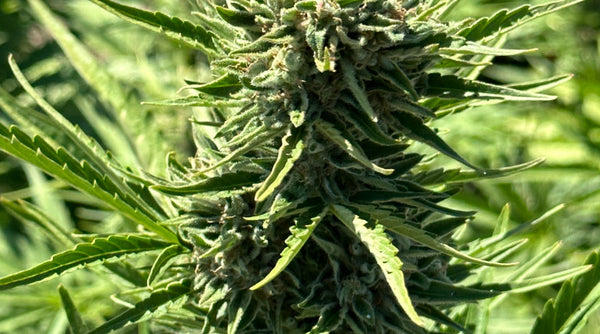
Pistils—the hair-like structures that emerge from cannabis flowers—provide another valuable indicator for how to know when to harvest THCA. These reproductive organs change color and texture as the plant matures, offering visual cues that are easier to observe than trichomes, though less precise on their own.
Fresh pistils emerge white or pale yellow, standing straight out from the calyx in search of pollen. During this early stage, the plant is focused on growth and reproduction, and harvest is still several weeks away. White pistils indicate active flowering and ongoing development, with cannabinoid production still building toward peak levels.
As flowering progresses, pistils begin to darken and curl inward. When approximately 50-70% of pistils have turned brown, orange, or red and started curling back toward the bud, you're approaching the harvest window. This transition signals that the plant is moving past its reproductive phase and beginning to ripen. However, this alone doesn't confirm readiness—it's an indicator that you should start checking trichomes more frequently.
The optimal harvest range for pistil color falls between 70-90% darkened and curled. At this stage, the plant has largely completed its flowering cycle, and cannabinoid production has reached or is nearing its peak. The exact percentage within this range depends on your specific strain and the effect profile you're seeking. For maximum THCA content, harvesting when 70-80% of pistils have darkened typically aligns with peak trichome cloudiness.
When pistil darkening exceeds 90-95%, you risk over-ripeness. At this point, THCA degradation often accelerates, and you may be past the optimal harvest window. The plant has completed its life cycle and is preparing for senescence, with declining cannabinoid quality. While some strains can maintain quality even with heavily darkened pistils, it's generally a sign to harvest immediately if you haven't already.
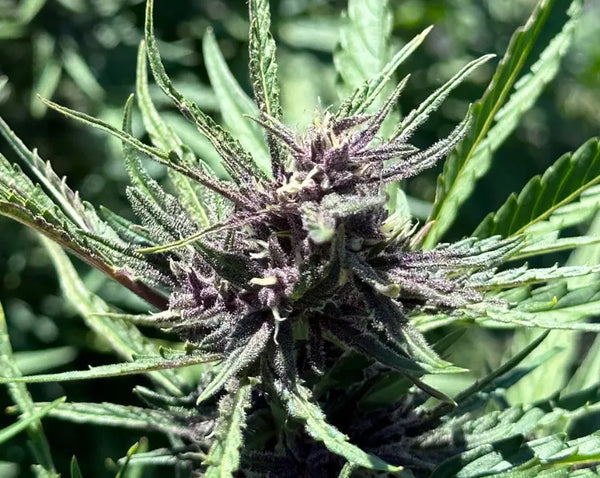
Pistil color variation is significant across different THCA strains. Some genetics naturally produce darker pistils even early in flowering, while others maintain lighter colors well into maturity. Purple and blue strains may show pistils that turn from white to purple rather than the typical orange or brown. Sativa-dominant varieties often take longer to show pistil darkening compared to indica genetics, sometimes maintaining white pistils until very late in the flowering cycle.
This strain-specific variation is precisely why pistils alone shouldn't determine your harvest decision. They're an excellent secondary indicator that, when combined with trichome inspection, provides a more complete picture. A grower who harvests based solely on pistil color might be weeks early or late depending on their specific genetics.
The most effective approach combines pistil observation with trichome examination. Use pistil color as a signal to increase your trichome inspection frequency. When you notice 60-70% of pistils darkening, begin daily trichome checks. This combined approach to reading THCA plant maturity signs ensures you don't miss the narrow harvest window when both indicators align.
The physical structure and density of your THCA flower buds undergo dramatic changes during the final weeks of flowering, providing important visual and tactile indicators of maturity. Understanding these structural changes helps you recognize when your THCA cannabis harvest is approaching optimal timing.
Throughout most of the flowering period, buds steadily increase in size as calyxes multiply and stack upon each other. However, the final 2-3 weeks before harvest bring a noticeable acceleration in this swelling process. Growers often refer to this as the "fattening phase," when buds can increase their mass by 20-30%. This rapid expansion occurs as the plant directs maximum energy into flower development and trichome production.
Calyx expansion is particularly telling. Individual calyxes swell significantly as they fill with resin, creating the characteristic dense, chunky appearance of mature cannabis flowers. When you observe calyxes that appear swollen and almost inflated, with trichomes covering every surface, you're seeing a plant nearing harvest readiness. This swelling is different from the earlier steady growth—it's a final push that signals the plant is completing its reproductive cycle.
Bud density characteristics vary significantly between indica and sativa-dominant THCA strains, which means you need to calibrate your expectations based on your genetics. Indica varieties typically produce extremely dense, compact flowers that feel solid and heavy when gently squeezed. These THCA flower strains often show their maturity through increasing firmness and weight in the final weeks.
Sativa-dominant genetics, conversely, tend toward airier, more loosely structured flowers even when fully mature. If you're growing a sativa-heavy strain and waiting for rock-hard buds like an indica produces, you'll likely harvest too late. Instead, look for the relative increase in density compared to earlier flowering stages. A mature sativa bud will still be denser than it was three weeks prior, even if it never achieves indica-like compactness.
One reliable structural indicator is when the plant stops producing new calyx growth. Throughout most of flowering, you'll notice new calyxes forming and buds continuing to stretch. When this new growth ceases and the plant shifts its energy entirely to ripening existing flowers, you're in the harvest window. The buds take on a "finished" appearance, with fully formed flowers that have stopped expanding outward and are only densifying.
Visual inspection combined with gentle tactile assessment provides valuable information. Mature buds feel noticeably heavier and denser than immature ones, even accounting for strain differences. When you carefully squeeze a bud between your fingers (without damaging trichomes), a ready-to-harvest flower will have some give but will spring back with resistance. Immature buds feel more airy and less resilient.
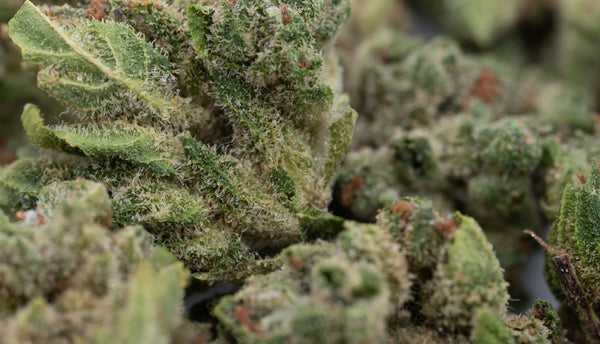
The resin coverage also intensifies during the final maturation phase. Buds that are ready for harvest often appear frosted or sugar-coated with trichomes, with resin glands so dense they obscure the underlying green plant material. This heavy trichome coverage gives mature THCA flowers their characteristic sparkle under light and sticky texture when touched.
The natural process of senescence—the plant's controlled aging and decline—produces distinctive color changes that signal approaching harvest time. Understanding these leaf transformations helps you distinguish between THCA plant maturity signs and problematic nutrient deficiencies.
As THCA cannabis plants approach the end of their life cycle, they naturally begin to mobilize nutrients from older fan leaves to support final flower development. This creates a characteristic yellowing pattern that starts with the lowest, oldest leaves and gradually progresses upward through the canopy. The plant is essentially consuming itself, redirecting stored nitrogen and other mobile nutrients to complete its reproductive mission.
This fan leaf yellowing intensifies during the final 2-3 weeks before optimal harvest. What begins as slight chlorosis on lower leaves develops into dramatic yellowing and eventually leaf drop. When you observe 30-50% of your fan leaves showing significant yellow coloration and the pattern is progressing naturally from bottom to top, your plant is communicating that it's approaching the end of its cycle.
Some THCA strains, particularly those with genetics from cold-climate regions, express beautiful purple, pink, or red hues as temperatures drop or as they mature. These anthocyanin pigments become visible when chlorophyll production decreases, similar to how deciduous trees display fall colors. Purple leaf and calyx coloration in cold-tolerant strains is often a maturity indicator, though it's also influenced by environmental conditions.
The critical skill is distinguishing between natural senescence and nutrient deficiency problems. Nutrient deficiencies typically appear suddenly, affect specific areas based on the deficiency type (not always starting from the bottom), and can include spotting, necrosis, or abnormal color patterns. Natural fade, in contrast, progresses gradually, follows a predictable bottom-to-top pattern, and occurs alongside other harvest signs like darkening pistils and changing trichomes.
Optimal harvest timing often coincides with significant but not complete leaf fade. When 40-60% of fan leaves have yellowed, you're typically in the harvest window, assuming other indicators confirm readiness. If you've allowed 80-90% of leaves to die off, you may be past peak harvest time, as excessive senescence can indicate the plant is degrading its cannabinoid content.
Proper flushing—feeding only pH-adjusted water for the final 1-2 weeks before harvest—accelerates and enhances this natural fade. Flushing removes residual nutrients from the growing medium, forcing the plant to rely on stored reserves. This process improves final flower quality by reducing harsh mineral taste while creating more pronounced leaf color changes that signal the plant is ready.
Sugar leaves—the small, resin-covered leaves that emerge from within the buds themselves—also undergo color changes near harvest. These leaves may yellow slightly or, in purple strains, take on vibrant colors. When sugar leaves begin showing these changes while maintaining heavy trichome coverage, it's another confirmation that harvest timing is appropriate.
The combination of natural leaf fade with other maturity signs creates a comprehensive picture of plant readiness. A plant showing 50% yellowed fan leaves, 75% darkened pistils, and mostly cloudy trichomes is clearly communicating it's ready for harvest.
The aromatic profile of your THCA flower provides important sensory feedback about maturity and terpene development. Peak terpene production typically aligns with optimal THCA flower harvest signs, making scent intensity a valuable indicator alongside visual observations.
During early and mid-flowering, your THCA plants develop their characteristic aromas as terpene-producing glands become active. However, the final 2-3 weeks before harvest bring a noticeable intensification of smell. The aroma becomes richer, more complex, and significantly stronger. When you notice this dramatic increase in scent intensity, particularly when you gently brush against plants or enter your grow space, you're observing peak terpene production.
Each THCA strain expresses unique terpene profiles that become most pronounced at maturity. A strain with dominant limonene terpenes will develop increasingly sharp citrus notes. Myrcene-heavy genetics intensify their earthy, musky characteristics. Pinene-dominant varieties become more piercingly pine-like. When these strain-specific aromas reach their fullest expression—when the scent is exactly what you expect from that particular genetics but amplified—you're witnessing chemical maturity.
Terpene production and resin secretion peak together. As harvest approaches, THCA flowers become noticeably tackier and more resinous. The "stickiness test"—gently touching a bud and noting how much resin transfers to your finger—provides tactile confirmation of terpene and cannabinoid production. Mature, ready-to-harvest flowers will leave your fingers sticky with aromatic resin that's difficult to wash off.
The relationship between terpene preservation and overall THCA flower quality cannot be overstated. Terpenes contribute not only to aroma and flavor but also to the entourage effect, where cannabinoids and terpenes work synergistically. Harvesting at peak terpene production ensures your final product delivers the full aromatic and experiential potential of the strain.
Interestingly, there's a narrow window where terpene and THCA content both peak before either begins to degrade. Terpenes are volatile compounds that can evaporate or oxidize if harvest is delayed too long. A plant left too long past maturity will develop a less pronounced, sometimes hay-like smell as terpenes evaporate and degrade. This is another reason why timing matters so critically.
Experienced growers often report that the aroma "changes character" right before optimal harvest. The scent shifts from "growing" to "ripe," similar to how fruit smells different when perfectly ripe versus when it's still developing. This subtle shift is difficult to describe but becomes recognizable with experience. The plant's smell becomes fuller, rounder, and somehow more complete.
Environmental factors influence terpene production as well. Proper humidity levels (40-50% during late flowering), adequate air circulation, and appropriate temperature ranges (65-80°F) all support maximum terpene synthesis. When these conditions align with the plant's natural maturity timeline, you get the most terpene-rich THCA products possible.
While experienced growers rely primarily on plant observations rather than calendars, flowering time guidelines provide a useful framework for when THCA is ready to harvest. Understanding typical flowering durations helps you know when to begin intensive monitoring for other harvest signs.
Indica-dominant THCA strains typically complete flowering in 7-9 weeks from the onset of the 12/12 light cycle (for photoperiod varieties). These genetics evolved in mountainous regions with shorter growing seasons, developing the ability to mature quickly before harsh winters arrived. Popular indica strains often hit their harvest window around the 8-week mark, though some faster varieties finish in as little as 7 weeks.
Sativa-dominant genetics require more patience, with flowering times extending 9-12 weeks or even longer for pure landrace sativas. These plants evolved near the equator where growing seasons are longer, and they haven't been selected for the rapid maturation that indica genetics display. Many premium sativa-heavy THCA strains don't hit their stride until week 10 or 11, rewarding patient growers with exceptional terpene profiles and potent effects.
Hybrid strains fall somewhere in between, typically flowering for 8-10 weeks depending on their genetic makeup. A 60/40 indica-dominant hybrid might finish around 8-9 weeks, while a sativa-leaning hybrid could take 9-10 weeks. The specific genetics in your seeds or clones determine the baseline flowering time.
However, breeder-provided flowering times are guidelines, not absolutes. They're based on the breeder's specific growing conditions, phenotype selections, and environmental parameters. Your unique grow environment—light intensity, spectrum, temperature, humidity, nutrients, and grow medium—all influence how quickly your plants mature.
Environmental factors can extend flowering time significantly. Lower light intensity, cooler temperatures, or nutrient imbalances often add 1-2 weeks to the expected flowering period. Conversely, optimized conditions with powerful lighting, CO2 supplementation, and perfect environmental control might shorten flowering time slightly. This is why using flowering time as your only guide is unreliable.
Phenotype variation within the same strain also creates timing differences. Even seeds from the same batch can show phenotypic variation, with some individuals finishing a week earlier or later than others. This genetic diversity is normal and expected, particularly with regular (non-feminized) seeds or newer, less-stabilized hybrid genetics.
The practical approach is using breeder flowering times as a signal to begin intensive monitoring. If a strain is listed as 9 weeks, start checking trichomes and other signs at week 7. This gives you a 2-week window to catch the optimal harvest moment, which might occur anywhere from week 8 to week 10 depending on your specific circumstances.
Tracking your own grow calendar with detailed notes creates valuable data for future cultivation. Record when you flip to flowering (or when auto flowers begin), then note when you first observe each harvest sign: 50% darkened pistils, first amber trichomes, peak aroma development, and so on. This documentation helps you predict optimal harvest timing in subsequent grows with the same genetics.
The plant's overall physiological changes and energy dynamics provide subtle but important indicators that harvest is approaching. Observing these whole-plant THCA harvest indicators adds another layer of confirmation to your harvest decision.
Throughout vegetative growth and early flowering, cannabis plants exhibit vigorous upward and outward growth, constantly producing new leaves, branches, and eventually flowers. However, as harvest approaches, this growth energy shifts. The plant stops producing new growth and instead focuses all remaining energy on ripening existing flowers. When you notice that your THCA plants have completely stopped stretching and no new shoots or leaves are emerging, it's a signal that the plant has entered its final maturation phase.
Water uptake patterns change noticeably as harvest approaches. Earlier in flowering, plants consume water rapidly, requiring frequent irrigation. In the final 1-2 weeks before optimal harvest, water consumption typically decreases. The plant's transpiration rate slows, roots become less active, and the soil or growing medium stays moist longer between waterings. This reduced water uptake reflects the plant's preparation for the end of its life cycle.
Stem and branch structure undergo subtle changes as well. Earlier in the grow cycle, stems are somewhat flexible and pliable. As harvest approaches, stems often become noticeably stiffer and more woody. This lignification—the hardening of plant tissues through lignin deposition—is part of the plant's natural maturation. You might observe that stems that previously bent easily now feel more rigid and resistant to bending.
Root zone activity also diminishes as harvest nears. While you can't directly observe roots without disturbing the plant, the reduced nutrient uptake and water consumption reflect decreased root activity. Plants approaching harvest show less response to feeding, often requiring less frequent or less concentrated nutrient solutions. Many growers transition to water-only in the final week or two, and mature plants handle this transition easily because they're already reducing nutrient uptake naturally.
The cessation of new growth on flowers themselves is particularly telling. Throughout most of flowering, you'll see new calyxes forming, pistils emerging, and the bud structure expanding. When this stops—when the buds look "complete" with no new pistil production or calyx formation—the plant is communicating that flower development is finished and ripening is the only remaining process.
Overall plant vigor provides context for harvest decisions. A plant that appears healthy but has naturally slowed its metabolic processes is different from one showing stress or disease. Natural maturation brings a calm, complete appearance—the plant looks finished rather than struggling. Leaves may yellow from natural senescence, but the plant doesn't show signs of pest damage, disease, or severe stress. This distinction matters because you want to harvest a naturally mature plant, not one that's dying from problems.
These whole-plant observations work best when combined with more specific indicators. A plant showing reduced water uptake, stem hardening, and ceased new growth should also display the appropriate trichome color, pistil darkening, and bud density for harvest. When all these signs align, you can proceed with confidence that your THCA cannabis harvest timing is optimal.
Understanding individual harvest indicators is valuable, but mastering the art of how to know when to harvest THCA requires synthesizing multiple signs into a comprehensive assessment. Relying on a single indicator, even a reliable one like trichome color, creates risk of mistiming your harvest.
The risk of single-indicator reliance is straightforward: individual signs can be misleading in isolation. Pistils might darken early due to environmental stress or physical damage. Leaf fade could result from nutrient problems rather than natural senescence. Even trichomes can show unusual patterns in plants experiencing stress. By checking multiple indicators, you create a system of cross-confirmation that dramatically improves accuracy.
Creating a harvest checklist for your THCA flower cultivation ensures you evaluate all relevant signs before making the final decision. Your checklist might include:
Trichomes deserve primary weighting in your decision-making hierarchy. When trichomes show 70-80% cloudy and 10-20% amber, you're in the optimal window regardless of what other signs might suggest. However, other indicators serve crucial confirming or warning roles. If trichomes appear ready but pistils are still 90% white, something unusual is happening—perhaps you're looking at a rare phenotype, or you're not examining trichomes in the right location.
Using other signs to confirm trichome readings creates a robust decision-making framework. Ideal harvest conditions show: 75-85% cloudy trichomes with 15-25% amber, 70-85% darkened and curled pistils, swollen dense buds with no new calyx formation, 40-60% fan leaf yellowing, peak aroma intensity, and reduced water consumption. When these align, your harvest timing is optimal.
Checking multiple bud sites across the plant is essential for representative sampling. Cannabis plants don't mature uniformly—top colas receiving maximum light typically ripen faster than lower branches in shadow. Check trichomes on at least 3-5 different bud sites: one top cola, 2-3 mid-level branches, and one lower branch. This gives you a complete picture of plant maturity.
The difference between top, middle, and lower bud development can be significant—sometimes a week or more in maturity. Some growers practice staged harvesting, taking the top colas when they're ready, then allowing lower branches additional time to fully ripen under the improved light penetration. This technique maximizes yield and quality across the entire plant.
Making the final harvest decision requires weighing all factors and accepting that there's a window, not a single perfect moment. The "harvest window" for most THCA strains spans 5-10 days during which quality remains excellent. Harvesting early in this window emphasizes certain characteristics, while waiting until late in the window shifts the profile slightly. Understanding this flexibility reduces anxiety about picking the "perfect" day.
Different THCA flower strains express maturity indicators in notably different ways, making it essential to calibrate your expectations based on your specific genetics. What signals readiness in one strain might be normal mid-flowering appearance in another.
Sativa-dominant THCA varieties present particular challenges for harvest timing. These genetics often maintain white or lightly-colored pistils well into maturity, sometimes showing only 50-60% darkening even when trichomes indicate readiness. Sativa buds also typically remain airier and less dense than indica flowers throughout their development. If you're waiting for your sativa to develop tight, compact buds with 80% darkened pistils, you'll likely harvest weeks too late. Instead, focus heavily on trichome inspection and accept that the looser structure is characteristic of the genetics.
Sativa flowering patterns also tend to be less uniform than indica development. You might observe new pistil production even when other parts of the plant show advanced maturity. This ongoing development can create confusion about harvest timing. For sativas, trichome color becomes especially critical as the most reliable indicator, while pistil color serves more as a secondary confirmation.
Indica-dominant THCA genetics generally provide clearer, more consistent harvest signals. These strains typically develop dense, compact flowers that show obvious swelling and fattening in the final weeks. Pistil darkening progresses more uniformly and predictably, with most indica genetics showing 75-85% darkened pistils when trichomes reach optimal cloudiness. The compact bud structure also makes trichome inspection easier, as you can examine representative samples without hunting through airy foliage.
Indica strains often finish faster than expected flowering times suggest. A strain listed as 8-9 weeks might be ready at day 55-58, particularly under optimized growing conditions. This faster maturation requires vigilance in monitoring—checking trichomes every 2-3 days once the plant enters the expected harvest window.
Autoflowering THCA varieties introduce different considerations entirely. Since autoflowers progress from seed to harvest on a fixed genetic timeline rather than responding to light cycles, they're less influenced by environmental stress. However, this also means they won't wait for you to correct problems or optimize conditions—they'll mature on schedule regardless. Autoflower harvest timing relies even more heavily on observation than photoperiod strains, as flowering times can vary significantly based on growing conditions despite the fixed genetic program.
Landrace strains—pure genetics from specific geographic regions—often show harvest patterns different from modern polyhybrid varieties. Pure sativas from equatorial regions might take 14-16 weeks to fully mature and might never show the darkened pistils or dense structure common in commercial hybrids. Conversely, pure indica landraces from Afghanistan or Pakistan might finish in just 6-7 weeks with extremely pronounced maturity signals.
Modern hybrid genetics have been selected for more predictable, consistent maturity indicators, but phenotypic variation still exists. When growing from seed, different phenotypes of the same strain might show readiness days or even weeks apart. This variation is normal and expected—it's why checking each plant individually rather than harvesting the entire crop on the same day often produces better results.
Understanding your specific strain's characteristics helps you interpret harvest signs accurately. Research your genetics before flowering begins. Look for grow reports from other cultivators using the same strain, noting their harvest timing and which indicators proved most reliable. This preparation helps you know whether to expect the classic 80% cloudy trichomes or whether your particular genetics might be ready at 90% cloudy with minimal amber.
Mastering the seven key signs of THCA flower harvest readiness—trichome color and appearance, pistil darkening and curl, bud structure and density, leaf fade and color changes, aroma and terpene development, flowering time guidelines, and overall plant health—transforms cannabis cultivation from guesswork into informed precision. Each indicator provides valuable information, but their real power emerges when you synthesize them into a comprehensive assessment of plant maturity.
The importance of patience cannot be overstated. The temptation to harvest early, driven by excitement or impatience, costs countless growers the potency and quality they've worked months to achieve. Conversely, letting plants go too long because you're unsure or waiting for "perfect" conditions that never arrive leads to degraded cannabinoids and diminished terpene profiles. The middle path—careful, regular observation of multiple indicators with the patience to wait for them to align—produces the exceptional THCA flower that makes all the effort worthwhile.
Documenting your observations creates a valuable knowledge base for future grows. Keep a detailed grow journal noting when each harvest sign appears, what trichome ratio ultimately produced your preferred results, and how your specific genetics and environment influenced maturity timing. Photos at different stages provide visual references that become increasingly valuable as you develop pattern recognition skills.
Remember that there's an optimal harvest window, not a single perfect moment. Most strains offer a 5-10 day window during which harvest will produce excellent results. Early in this window might emphasize certain characteristics, while late in the window shifts the profile somewhat, but the quality remains high throughout. This knowledge should reduce anxiety about perfect timing and help you recognize that you're making a good decision within a range of good decisions.
The signs your THCA plants provide—from microscopic trichome changes to overall energy shifts—represent millions of years of evolutionary communication. Cannabis developed these signals to indicate seed maturity in nature, and we're fortunate that cannabinoid and terpene peaks align closely with these natural indicators. By learning to read this plant language fluently, you ensure every harvest captures your cannabis at its absolute prime.
Ready to experience perfectly-timed THCA flower harvest yourself? Explore our premium selection of THCA products, each harvested at peak maturity for maximum potency and terpene expression. Whether you're looking for indica relaxation, sativa invigoration, or balanced hybrid effects, our collection offers expertly cultivated flower that demonstrates what proper harvest timing can achieve. Visit our THCA shop to discover your next favorite strain.
What is the most reliable sign that THCA flower is ready to harvest?
Trichome color and appearance is the single most reliable indicator for THCA harvest timing. When 70-80% of trichomes on the calyxes appear cloudy or milky white, with 15-25% showing amber coloration, your THCA flower has reached optimal maturity for maximum cannabinoid content and potency.
Can I harvest based on pistil color alone?
While pistil darkening provides useful information, relying solely on pistil color is risky. Different strains show varying pistil color patterns at maturity, and environmental stress can cause premature darkening. Always confirm pistil observations with trichome inspection for accurate harvest timing.
How long does the optimal harvest window last?
Most THCA strains offer a 5-10 day optimal harvest window during which quality remains excellent. This window begins when trichomes first reach 70% cloudy and extends until amber trichomes exceed 30-40%. Harvesting anywhere within this window produces high-quality results.
Should I harvest when breeder flowering time is reached?
Breeder-provided flowering times are guidelines, not absolutes. Your specific growing conditions, phenotype, and environment will influence actual maturity timing. Use breeder times as a signal to begin intensive monitoring, but make your final harvest decision based on observable plant indicators.
What magnification do I need to properly inspect trichomes?
You need 60x to 100x magnification to accurately assess trichome color and maturity. A jeweler's loupe or digital microscope in this range allows you to distinguish between clear, cloudy, and amber trichomes on the calyxes where it matters most.
Do all parts of the plant mature at the same time?
No, top colas receiving maximum light typically mature faster than lower branches. Check trichomes on multiple bud sites—top, middle, and lower—to get an accurate picture of overall plant maturity. Some growers practice staged harvesting to allow different sections to reach optimal ripeness.
How does strain type affect harvest timing indicators?
Indica-dominant strains typically show more pronounced maturity signs with denser buds and uniform pistil darkening, while sativa genetics often maintain airier structure and lighter pistil colors even when fully mature. Adjust your expectations based on your specific genetics and rely more heavily on trichome inspection for sativas.
Is it better to harvest early or late if I'm uncertain?
When uncertain, harvesting slightly early typically preserves more THCA content than waiting too long. However, the best approach is continuing to monitor until multiple indicators align, ensuring you're truly in the optimal window rather than guessing.
